

Branford Campus Pastor Jake Rosekopf – Vox Church
My Notes-
How to Live Wisely and Not Foolishly in This Life
Wisdom Literature: How to Live Wisely
The Wisdom Literature in the Bible teaches how to live wisely rather than foolishly. These books were known by the Israelites before they went into exile.
Books of Wisdom Literature:
- Psalms – Wise words for life.
- Proverbs – Practical wisdom for daily living.
- Job, Song of Solomon, Ecclesiastes – Real-life examples of wisdom and challenges.
“The fear of the Lord is the beginning of wisdom, and knowledge of the Holy One is understanding.”
— Proverbs 9:10
Job
Theme: Trusting God When You Don’t Have All the Answers
God Provides Life Examples
The story of Job offered the Israelites examples that could strengthen them during their exile.
Who is Job?
- Blameless, upright, feared God, and turned away from evil (Job 1:1).
- A righteous man, father, and husband (Job 1:2; Ezekiel 14:14).
- Lived in the land of Uz.
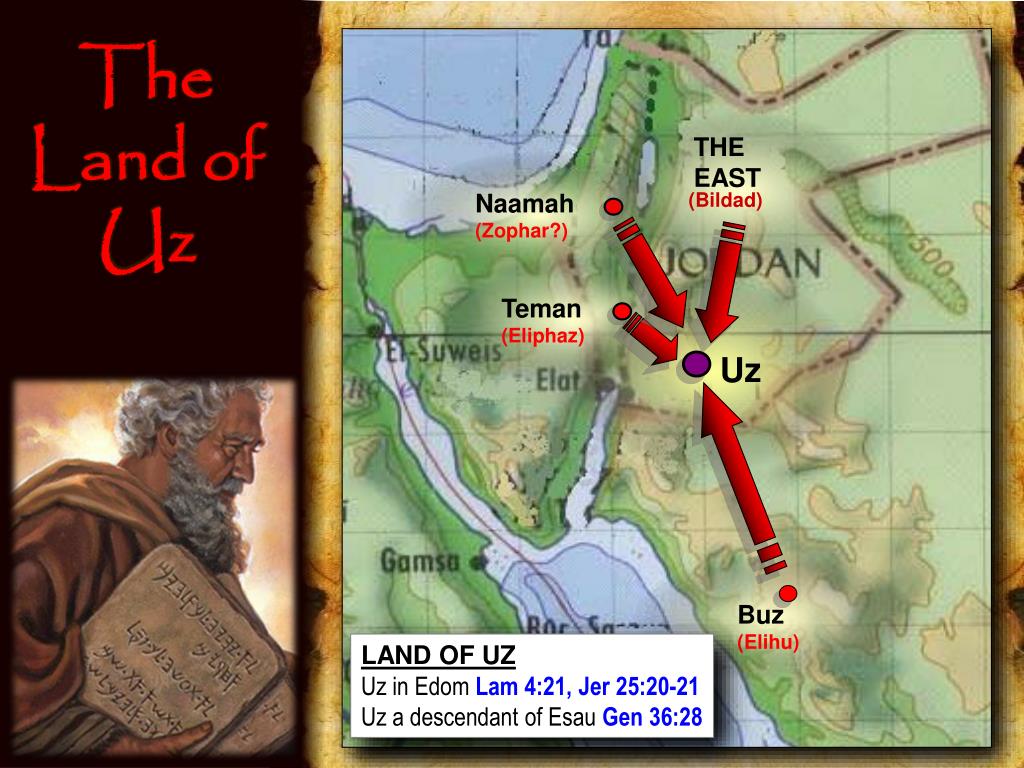
Righteousness through Faith:
Righteousness is not limited to God’s covenant people; Job’s faith shows that even those outside Israel can know and trust the God of Israel.
How Did Job Know About God?
This raises the question of how Job, from a distant land, came to know the God of Israel.
Dinosaur Described in Job?
Job 40:15-24 specifically mentions a creature called “Behemoth,” which some people speculate could be a reference to a dinosaur-like creature, though the description does not align exactly with modern paleontological understandings.
In Job 40:15-19, Behemoth is described as a massive, powerful creature that:
- Eats grass like an ox
- Has great strength in its loins and belly
- Has a tail like a cedar tree (which some interpret as a description of a large, muscular creature, though it’s not exactly clear)
The description is poetic and somewhat ambiguous, and while some have suggested this may refer to a dinosaur or another prehistoric creature, others interpret Behemoth as a reference to a hippopotamus or elephant, given its characteristics (such as eating grass and the size mentioned).
There is also a description of another creature in Job 41, called “Leviathan,” which is often interpreted as a large, fearsome sea creature, and some have speculated it could be a reference to a sea monster or perhaps even a type of marine reptile.
Both creatures are often seen as symbolic of God’s power in creation.
Introduction
Conversation in Heaven (Job 1:6–12)
Satan presents himself before God and challenges Job’s faithfulness:
- Satan accuses Job of serving God only because he is blessed.
- God allows Satan to test Job but forbids him from taking Job’s life.
God’s Permission:
- Satan is allowed to take Job’s possessions and children.
- Satan afflicts Job’s body with painful sores.
Job’s Response:
“Naked I came from my mother’s womb, and naked I will depart. The Lord gave and the Lord has taken away; may the name of the Lord be praised.” — Job 1:21–22
Despite suffering, Job does not curse God.
Structure of Dialogues
1. Cycle One (Job 3:1–14:22)
- Job laments his suffering (Job 3).
- Eliphaz accuses Job of hidden sin (Job 4–5).
- Job maintains his innocence (Job 6–7).
- Bildad argues Job’s children deserved death (Job 8).
- Job struggles to understand why God allows his suffering (Job 9–10).
- Zophar accuses Job of wickedness (Job 11).
- Job declares his faith in God despite his confusion (Job 12–14).
2. Cycle Two (Job 15:1–21:34)
- Eliphaz says Job doesn’t fear God enough (Job 15).
- Job expresses frustration with his friends (Job 16–17).
- Bildad again implies Job’s guilt (Job 18).
- Job holds on to faith (Job 19).
- Zophar claims Job’s suffering proves his sin (Job 20).
- Job observes that the wicked sometimes prosper (Job 21).
3. Cycle Three (Job 22:1–27:24)
- Eliphaz calls Job sinful and urges him to repent (Job 22).
- Job maintains God’s control and his own righteousness (Job 23–24).
- Bildad points out human depravity (Job 25).
- Job praises God’s power while holding to his integrity (Job 26–27).
4. Elihu’s Response (Job 32:1–37:24)
- Rebukes Job’s friends for lacking wisdom (Job 32).
- Corrects Job for suggesting God is unjust (Job 33).
- Teaches that God is just (Job 34).
- Declares God’s greatness and sovereignty (Job 35–37).
5. God’s Response and Job’s Restoration (Job 38:1–42:17)
- God questions Job, humbling him (Job 38–40).
- Job repents (Job 42:1–6).
- God rebukes Job’s friends (Job 42:7–9).
- Job is restored and blessed with double what he lost (Job 42:10–17).
Psalms
Overview:
- 150 chapters – the largest book in the Bible.
- Collection of prayers, poems, and songs focused on worship, praise, and adoration of God.
Theme:
Prayer and worship of God for His faithfulness, love, and future hope.
Historical Context/Structure:
Most of the psalms were written around the time of David and Solomon, between 1010 to 930 BC.
The Book of Psalms spans one thousand years of Jewish history, from Moses to the Post-Exilic period.
The book is divided into five sections, mirroring the five books of the Torah:
- Book 1 (Psalms 3–41): Covenant faithfulness and obedience.
- Book 2 (Psalms 42–72): Hope for the future temple and Messianic King.
- Book 3 (Psalms 73–89): God’s promise of a king from David’s line.
- Book 4 (Psalms 90–106): Calling for God’s mercy.
- Book 5 (Psalms 107–145): Hope for redemption and future restoration.
Psalm 119 – The longest chapter (176 verses), structured around the Hebrew alphabet.
Authors
The brief descriptions that introduce the psalms list David as the author in 73 instances. David’s personality and identity are clearly stamped on many of these psalms. While it is clear that David wrote many of the individual psalms, he is definitely not the author of the entire collection.
- Solomon – Two psalms (72 and 127) are attributed to Solomon, David’s son and successor.
- Moses – Psalm 90 is a prayer assigned to Moses.
- Asaph – A group of 12 psalms (50 and 73–83) is ascribed to the family of Asaph.
- Sons of Korah – They wrote 11 psalms (42, 44–49, 84–85, 87–88).
- Heman – Psalm 88 is attributed to Heman.
- Ethan the Ezrahite – Psalm 89 is assigned to Ethan the Ezrahite.
With the exception of Solomon and Moses, all these additional authors were priests or Levites who were responsible for providing music for sanctuary worship during David’s reign.
Fifty of the psalms designate no specific person as author, although two of those are designated elsewhere in the Bible as psalms of David.
Song of Solomon
Theme:
Love between one man and one woman within the context of marriage.
Structure:
- Dating and engagement (1:1–3:5)
- The wedding (3:6–5:1)
- Mature marriage (5:2–8:14)
Marriage Advice:
- Give attention to your spouse.
- Encourage and praise rather than criticize.
- Enjoy each other.
- Reaffirm commitment.
Foreshadowing Christ and the Church:
Represents the future relationship between Christ and His Church.
Proverbs
Theme:
Wisdom—applied knowledge fulfilled in Christ.
“Trust in the Lord with all your heart and lean not on your own understanding.” — Proverbs 3:5
Structure:
- Proverbs 1–9: God’s invitation to wisdom (father-son teaching).
- Proverbs 10–29: Practical wisdom for everyday life.
- Proverbs 30: The ultimate source of wisdom is God.
- Proverbs 31: Wisdom applied – the virtuous woman.
Ecclesiastes
Theme:
Life without God is meaningless.
“Meaningless! Meaningless! Everything is meaningless!” — Ecclesiastes 1:2
Structure:
- Seeking fulfillment (1:12–3:22): Pleasure, wealth, wisdom, and accomplishments fail to satisfy.
- God’s control (3:1–22): Accept life’s seasons as God’s gift.
- The problem of suffering (7:15–9:6): The righteous suffer, and the wicked prosper—but fear God.
- Enjoy life (9:7–10): Appreciate life as a gift from God.
- Fear God and keep His commands (12:13): This is the purpose of life.
My Takeaways
The Wisdom Literature teaches that true wisdom comes from fearing God and keeping His commands. Life’s challenges and blessings are under God’s control, and true fulfillment is found in Him alone.
 VoxNotas
Leave a comment