
Pastor Thomas
The Drama of Scripture – God’s Story
Act 3: God Chooses Israel – Redemption Initiated
A People for the King
Fresh Start: Abram
God sends Abram and his family away from their home on a long journey that requires great faith (Genesis 12:1).
Contrast: Tower of Babel
- The people of Babel sought to create symbols of security and strength apart from God.
- Abram is called to give up symbols and security, recognizing that these are gifts from God.
God’s Initiative – He Chooses Abraham
- Romans 9:18 – God’s mercy and choosing are His sovereign acts.
- Abram is called to a new kind of life — one lived by faith.
- Mark 8:34-37 – Jesus calls His followers to take up their cross and follow Him by faith.
- Abram is called the “father of faith.”
- Where Adam’s failure brought a curse to humanity, through Abram, God promises to bless humanity through his seed.
The Covenant
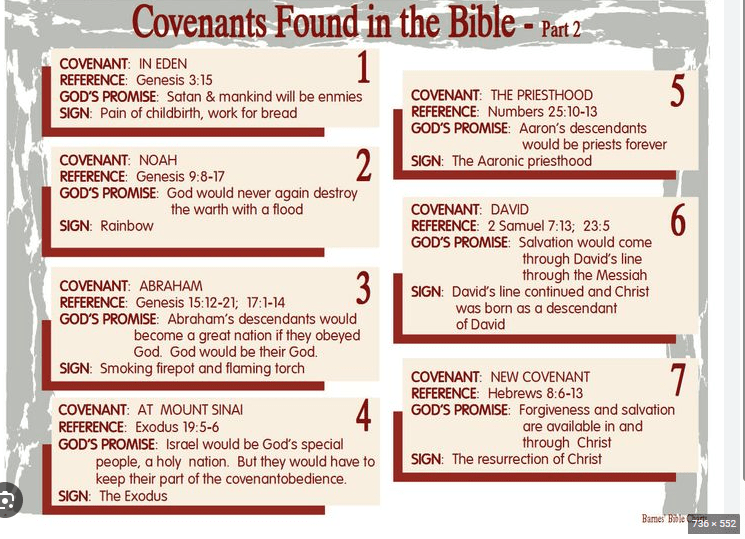
God makes a series of covenants with His people:
- Noahic – God’s promise to never again destroy the earth by flood.
- Abrahamic – God’s promise to make Abraham’s descendants into a great nation.
- Mosaic – God’s law and covenant with Israel at Mount Sinai.
- Davidic – God’s promise that David’s line will produce the eternal King.
- New Covenant – God’s promise of redemption through Jesus.
Genesis 15 – God Initiates a Covenant Ceremony
- Echoes of Ancient Near Eastern covenants between superpowers and vassal states.
- God signifies that if He does not keep His promise, He will be torn apart like the sacrificed animals (Jeremiah 34:18-20; 2 Corinthians 1:20).
- Abraham falls asleep — only God passes through the animals, fulfilling both sides of the covenant.
- Circumcision – A cultural practice taken up as a sign of the covenant.
- God promises land, but also foretells 400 years of oppression (Exodus).
Trusting God Against All Odds
- God tests Abraham’s faith in waiting for the promised son.
- If there is no son, the promise cannot be fulfilled.
- God provides a son, Isaac, but then asks for him as a sacrifice.
- Genesis 22 – God provides the ram; Abraham names the place Jehovah-Jireh (“The Lord Will Provide”).
- Hebrews 11:17-19 – Abraham believed God could raise Isaac from the dead.
The Patriarchs
- Isaac – Father of Jacob and Esau.
- Jacob (Israel) – “One who wrestles with God.”
- Father of 12 sons — the 12 tribes of Israel.
- Out of the tribe of Judah comes David and the Messiah.
Themes of the Patriarchs (Genesis 25–50)
- Great dysfunction, yet God’s promises remain.
- God’s faithfulness continues despite human failure.
Exodus – Formation of a People
- A new Pharaoh rises in Egypt who does not remember Joseph.
- Israel suffers under Egyptian oppression.
- God commissions Moses to lead His people out of Egypt.
The Last Plague – Passover
- The angel of death kills the firstborn of Egypt, sparing those with lamb’s blood on the doorframe.
- Pharaoh releases Israel out of fear of God’s power.
- Passover becomes a symbol of God’s deliverance.
The Mosaic Covenant (Exodus 19–24)
Elements of the Covenant:
- Preamble – Introduction of the parties involved.
- Review of Relationship – God’s faithfulness in deliverance.
- Principal Stipulations – The Ten Commandments.
- Detailed Stipulations – Civil, moral, and ceremonial laws.
- Witnesses – God and the people of Israel.
- Consequences – Blessings for obedience; curses for disobedience.
God’s Laws
- Meant to shape Israel’s life under God’s rule.
- The Ten Commandments (Exodus 20):
- First 4 – Relationship with God.
- Last 6 – Relationship with others.
- Psalm 119 – God’s law is tied to freedom and abundant life.
Israel’s Failure to Keep the Law
- After receiving the Ten Commandments, Israel quickly fails.
- Golden Calf (Exodus 32) – Israel turns to idolatry.
- Moses intercedes on their behalf.
- Sin is communal, not just individual.
- Moses returns to God at Mount Sinai to seek restoration (Exodus 33–34).
The Divine Paradox
- God is gracious and compassionate — yet does not leave the guilty unpunished.
The Tabernacle – God’s Dwelling with His People
- Exodus 29:45-46 – God promises to dwell among His people.
- Exodus ends with God’s presence resting in the tabernacle (Exodus 40).
Leviticus – Living with a Holy God
- God gives detailed instructions on holiness and worship (Leviticus 11:44-45).
- “You shall be holy, for I am holy.”
- Over 150 references to holiness (Hebrew: qodesh).
- The sacrificial system reflects God’s provision of grace.
Day of Atonement (Leviticus 16)
- High priest enters the Holy of Holies.
- Scapegoat ceremony reflects the removal of sin.
- Leviticus 17:11 – “Without the shedding of blood, there is no forgiveness.”
- Hebrews 10 – Jesus becomes the final sacrifice.
Numbers – The Journey Through the Wilderness
- Israel sends twelve spies into the Promised Land.
- Ten report fear of giants.
- Caleb and Joshua trust God’s promise.
- Israel’s lack of faith leads to 40 years of wandering.
- God preserves the next generation to enter the land.
Deuteronomy – On the Border of the Promised Land
- Moses delivers a series of sermons, preparing the people to enter the land.
- The covenant is revisited and renewed.
- Deuteronomy 6:5-6 – “Love the Lord your God with all your heart, soul, and strength.”
- The Torah shapes both private and public life.
- Deuteronomy 30:19-20 – Israel is called to choose life by obeying God.
Israel’s Moment of Decision
- Obedience will lead to blessing; disobedience will bring judgment.
- The people choose to move forward into the Promised Land.
The Death of Moses
- Moses, at 120 years old, stands at the border of the land.
- Numbers 20:1-13 – Moses disobeys God at Meribah and is barred from entering the Promised Land.
- Deuteronomy 34 – God allows Moses to see the land but not enter it.
- The baton of leadership passes to Joshua.
Key Takeaways
- God’s faithfulness stands despite human failure.
- The law reveals human sinfulness and the need for a Savior.
- The story of Israel points forward to Jesus — the ultimate fulfillment of God’s promises.
 VoxNotas
Leave a comment